
Rotary Actuators Guide 2026:Types, Applications & Benefits
What Is a Rotary Valve Actuator and How Does It Work?
Rotary valve actuators serve as critical components that change energy—whether pneumatic, electric, or hydraulic—into a torque to open or close valves accurately. These tools form the main support for automatic process control systems. They make sure flow control stays on point in fields from making goods to producing power.
Understanding the Basic Working Principle
The core way a rotary valve actuator works rests on its ability to create torque. This torque facilitates precise quarter-turn valve actuation, rotating the valve stem through a defined 90-degree arc. You get this torque by turning input energy into mechanical turning. It uses gears, pistons, or motors based on the actuator kind. The actuator’s torque must match the resistance of the valve it drives; insufficient torque can result in incomplete closure or leakage, while excessive torque may damage internal components. Controlled rotation is maintained through mechanical linkages and feedback mechanisms that ensure precise positioning during operation.
Key Components of a Rotary Valve Actuator
A rotary valve actuator has a few vital parts. It includes a strong housing that guards inside setups. There is also a drive shaft linked to the valve stem. Seals stop leaks, and gear groups pass motion well. The build of these parts shapes how well it runs and lasts. For example, stainless-steel housings give better corrosion resistance for offshore applications. Meanwhile, light aluminum bodies work better in milder spots. Regular inspections of seals and lubrication points are necessary for proper maintenance. This keeps running smoothly and stretches the use time.
What Are the Main Types of Rotary Valve Actuators Available in 2026?
Tech progress has spread rotary valve actuators into several kinds. Each one fits certain running needs. They offer clear pluses based on power options, needed accuracy, and outside settings.
Pneumatic Rotary Valve Actuators
Pneumatic actuators use squeezed air to make turning motions fast and steady. Their rapid response times fit systems that need many turning cycles. They are particularly suitable for hazardous locations where electrical equipment could pose ignition risks since they operate without electrical power. Plus, pneumatic types give strong torque output. They use basic control setups and need little care.
Electric Rotary Valve Actuators
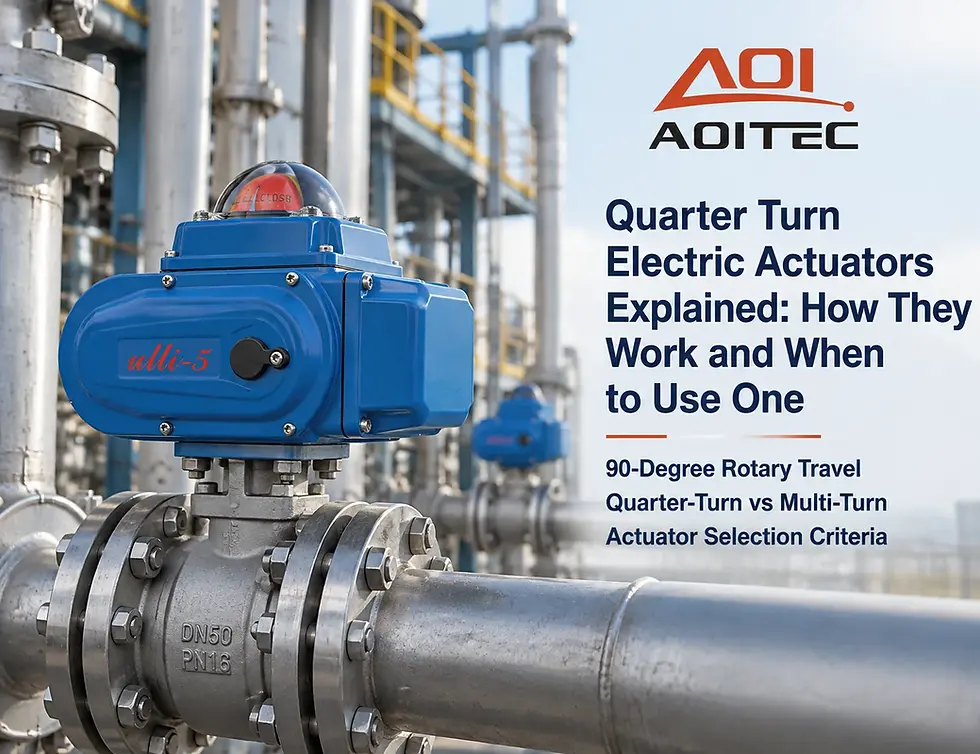
Electric rotary valve actuators use electric motors to gain exact control over valve spots. They do well in jobs that call for accuracy and return links in automatic systems. These actuators match industrial communication protocols like Modbus or Profibus. As a result, they fit smoothly into current control builds. Their energy saving and program skill make them a top pick for sites that focus on smart automation and lower running costs.
Hydraulic Rotary Valve Actuators
Hydraulic actuators generate strong torque by using pressed fluid flow in cylinders or vane setups. They prove essential for hard jobs like oil refining or water power plants, where high-pressure setups rule. They require more maintenance due to the fluid handling systems. However, their steady work under big loads brings long-run stability.
Where Are Rotary Valve Actuators Commonly Used?
The range of rotary valve actuators lets them work in many industrial areas. There, exact flow control matters for safety and good running.
Industrial Automation Systems
In making spots, rotary valve actuators handle process valves for gases, liquids, or steam lines. This automatic work boosts steadiness across production runs. It also cuts handwork. Links with programmable logic controllers (PLCs) allow matched actions in bigger industrial nets. This raises output and lowers human slip-ups.
Oil, Gas, and Petrochemical Industries
In oil and gas setups, these actuators direct flow through pipes carrying crude oil or natural gas at changing pressures. Integrated fail-safe functionality ensures automatic emergency shutdown during critical events such as pressure surges or system failures. Built for toughness, they handle eating chemicals and heat highs common in refineries and sea rigs.
Water Treatment and Power Generation Facilities
Rotary valve actuators control water spread in filter units and turbines in power plants. Their fit with supervisory control and data acquisition (SCADA) systems aids far-off watching and tweaks from main control rooms. This skill raises trust by keeping steady, turning work even in big spread-out nets.
What Are the Key Benefits of Using Rotary Valve Actuators?
Rotary valve actuators bring clear boosts in process running, safety checks, and cost handling over their full work life.
Enhanced Operational Efficiency
By handling valve tasks that used to need hands, these actuators cut labor needs a lot. They also raise accuracy in setting flow rates and pressure levels. Live watching tools back early care plans. Those cut surprise stop times.
Increased Safety and Reliability
Safety grows through tight seal setups that block leaks or chance releases during work. Fast close actions give a quick cutoff in emergencies like pipe breaks or gear failures. Made from lasting materials like stainless steel or strengthened plastics, they hold strong even in rough industrial spots.
Cost Savings Over Time
Even with higher start costs than hand options, rotary valve actuators save big in the long run. They do this through less energy use and fewer care needs. Tuned running cycles stretch gear life. This cuts change costs over the years of steady use.
How to Choose the Right Rotary Valve Actuator for Your Application?
Choosing a fitting rotary valve actuator means checking tech details that line up with system plans and outside limits.
Evaluating Torque Requirements and Valve Type Compatibility
Finding needed torque output based on valve size, kind (like ball or butterfly), and running pressure makes sure good pairing between actuator power and mechanical pull. Quarter-turn valves often match well with small rack-and-pinion builds. Those give fast turning in short-angle ranges.
Considering Environmental Conditions and Power Sources
Outside checks cover things like air heat changes, wetness contact, dirt amounts, or eating air that shape material picks. Sites without steady electric power might choose pneumatic types run by current squeezed air lines. In contrast, electric-driven versions fit digital-run setups that stress energy saving.
Integration with Control Systems and Automation Platforms
Fit with talk standards like Modbus RTU or Profibus DP makes easy linking into current automation setups. Advanced setups might add spot return sensors. Those give ongoing data flows for watching the actuator state in smart making frames.
Summary: Advancing Industrial Control Through Reliable Actuation Solutions
Rotary valve actuators keep backing industrial automation plans. Those focus on exact control, safety boosts, and green ways in 2026’s changing tech world. Their fit—from pneumatic fixes for risky areas to electric types tuned for smart nets—makes sure wide use across fields chasing running gains through new ideas.AOITEC, a trusted manufacturer recognized globally for advanced actuation technologies certified under ISO9001 quality management systems and CE marking compliance standards, delivers customized quarter-turn electric actuator solutions engineered for durability and performance excellence across diverse markets.

FAQ: Common Questions About Rotary Valve Actuators
Q: What factors determine the lifespan of a rotary valve actuator?
A: The planned use life hinges on material make quality, turning rate, outside contact levels like damp or chemical touch, plus sticking to set care routines that keep mechanical strength going.
Q: How can I maintain optimal performance of a rotary valve actuator?
A: Regular checks that seal integrity inspections, lubrication at set times, along with reset of torque levels, help keep steady work over long use stretches.
Q: Are electric rotary valve actuators suitable for outdoor installations?
A: Yes; new electric kinds often have weather-proof covers rated IP67 or more. These guard well against dust entry and short water dips, which suit outdoor use cases.
Q: Can rotary valve actuators be integrated into existing automation networks?
A: Absolutely; most current builds add standard talk links that back smooth connects in set digital control setups. This allows the main watch skills.
Q: What are the advantages of using pneumatic over hydraulic rotary valve actuators?
A: Pneumatic choices give quicker reply speeds with easier setup needs compared to hydraulic ones. Those offer better torque but need full fluid care plans aimed at hard jobs.


Comments